
Drive Aware
Slow Down for Safety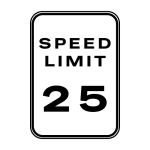
Follow the posted speed limit – campus speed limit is 25 mph, but 20 mph is plenty.Campus areas often have many pedestrians and frequent activities, so it’s important to drive cautiously. This means reducing your speed, staying alert, and being ready to stop quickly if traffic patterns change.
|

Watch for Walkers and RidersYield to pedestrians and bicyclists.Before turning or going straight, look beyond cars for pedestrians in crosswalks and cyclists moving through the intersection. They also share the road—check for both and yield when needed.
|
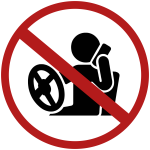
Silence the Noise - Drive UndistractedEliminate all distractions while driving: put your phone away and never wear headphones.Even a quick action — like changing a song — can divert your attention enough to possibly cause an accident. Wearing headphones can block out important sounds, such as emergency response sirens. Both behaviors significantly increase risk, so stay focused and undistracted.
|
Impaired Driving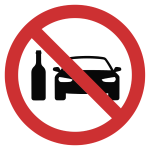
If you or someone you know has been drinking or using drugs, do not let that person get behind the wheel. Take their keys and help them arrange a sober ride home.Even if someone insists they are “okay to drive,” the risks to their own safety—and the safety of others—far outweigh the perceived convenience. Driving impaired can lead to serious injuries, fatalities, and legal consequences. Always choose a safer option: find a designated driver, schedule a rideshare, or use public transportation.
|

Be Weather WiseExercise extra caution at night or during bad weather. Since visibility is reduced, driving conditions are more hazardous and pedestrians can be harder to see — or may appear suddenly.Bad weather isn’t just snow—fog and heavy rain can limit visibility and make roads slick. Slow down, increase following distance, and stay alert to changing road surfaces and conditions to help keep you and others sharing the road safe.
|